The 3 Step Mortgage Strategy
Built Exclusively for Business Owners
(Approvals with or Without tax returns)
Being a business owner doesn't mean you can't get a mortgage.
But it does mean you need the right lending strategy.
Check if you qualify for a mortgage, before your bank says no.
Next Step: Answer a few questions about your
business and get your qualification by SMS instantly.
Being a business owner doesn't
mean you can't get a mortgage.
But it does mean you need
the right lending strategy.
Check if you qualify for a mortgage,
before your bank says no.
Next Step: Answer a few questions about your business and get your results by SMS instantly.
60 Seconds, no paperwork, no credit check.
60 seconds, no paperwork, no credit check.
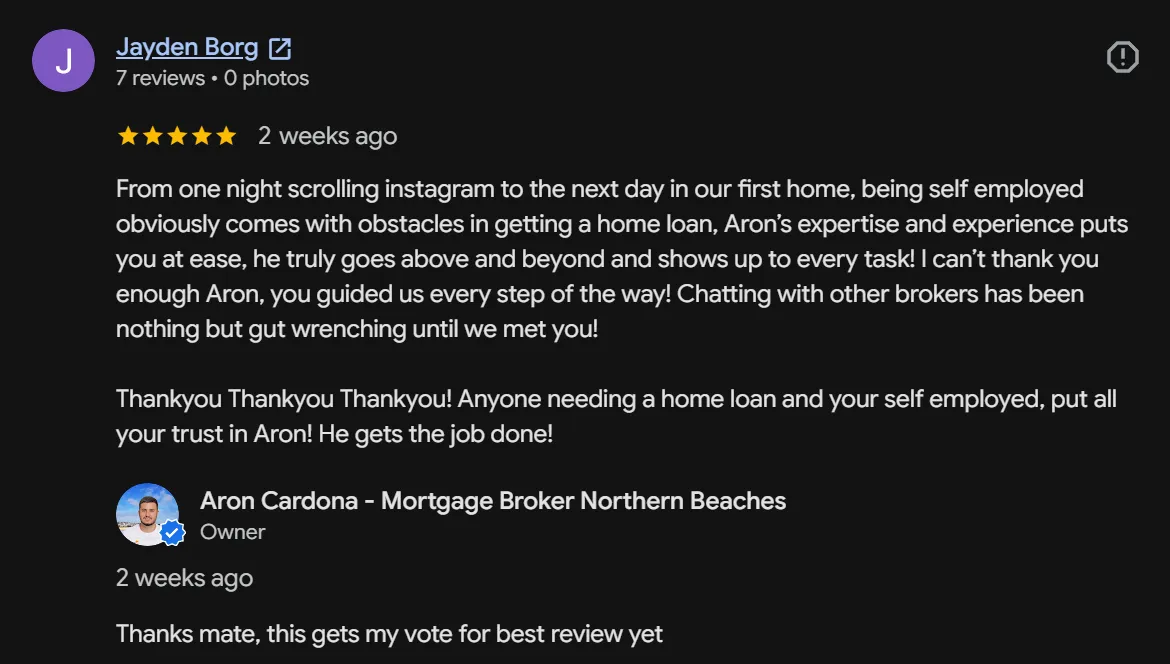
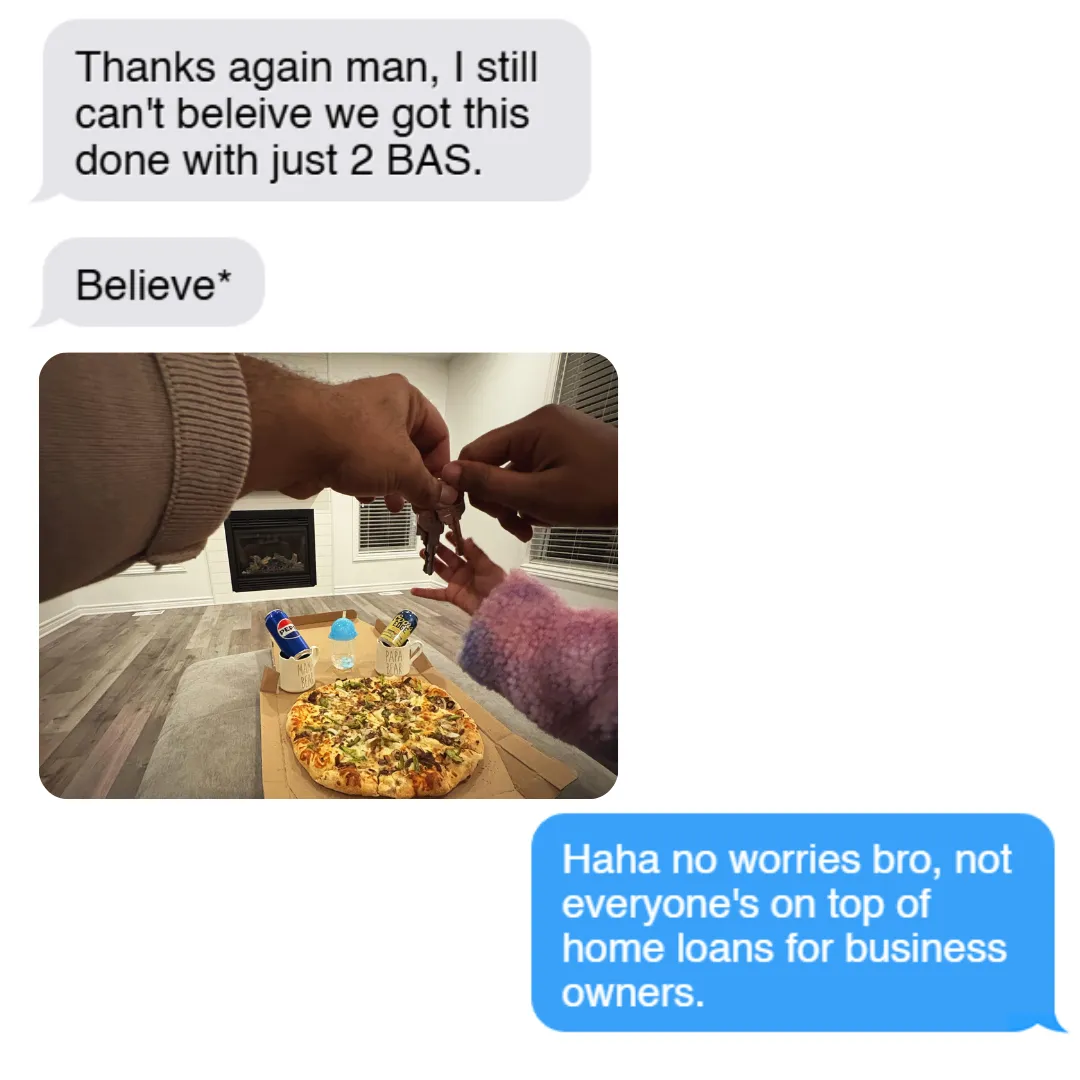
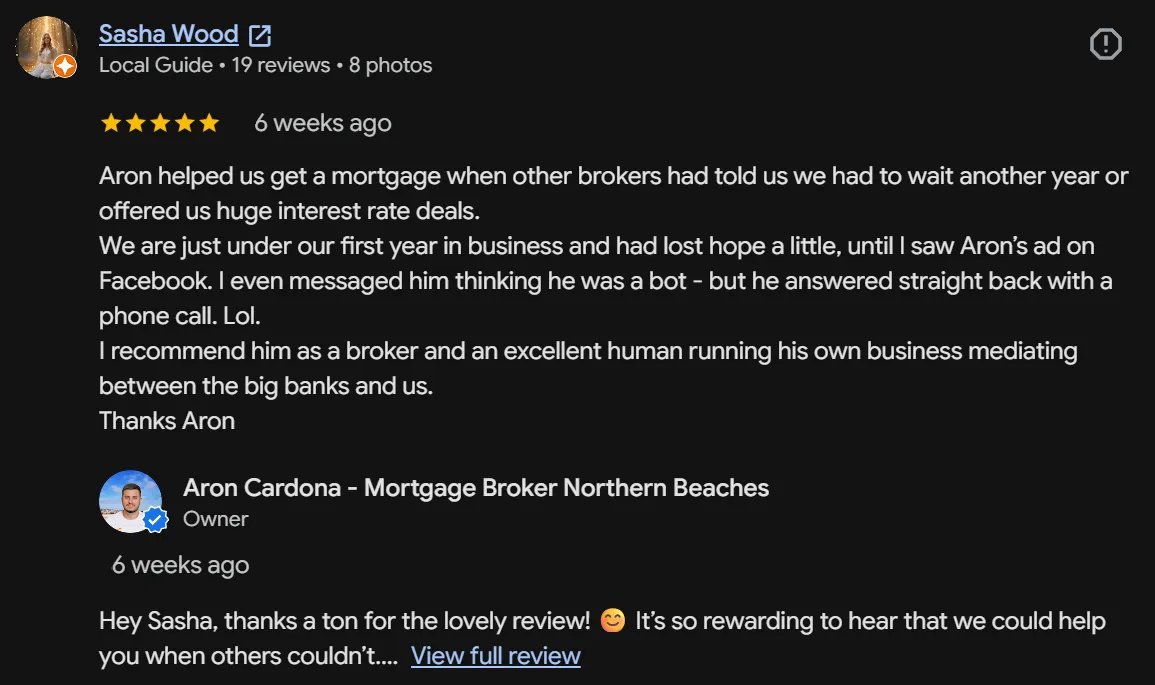
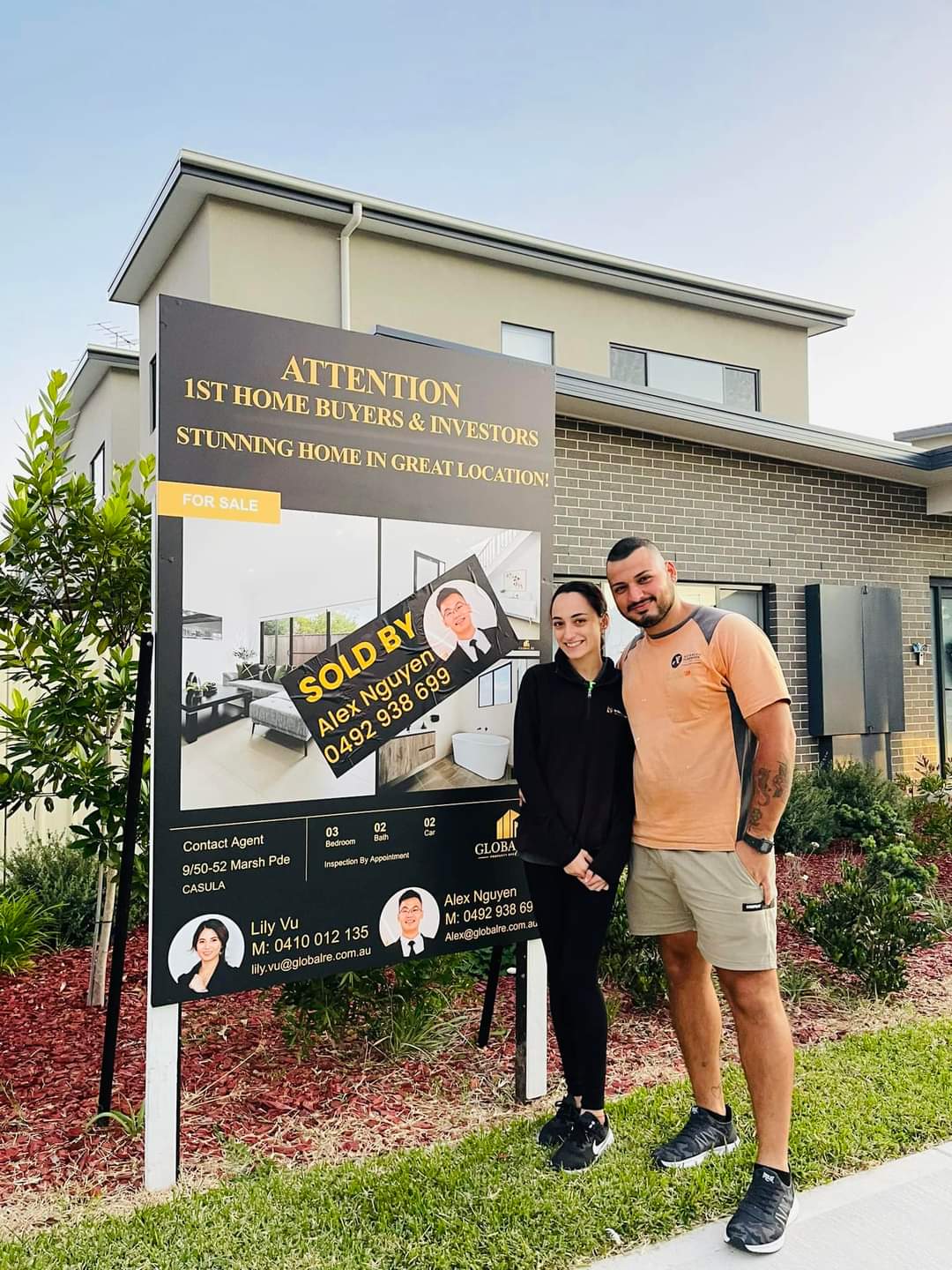
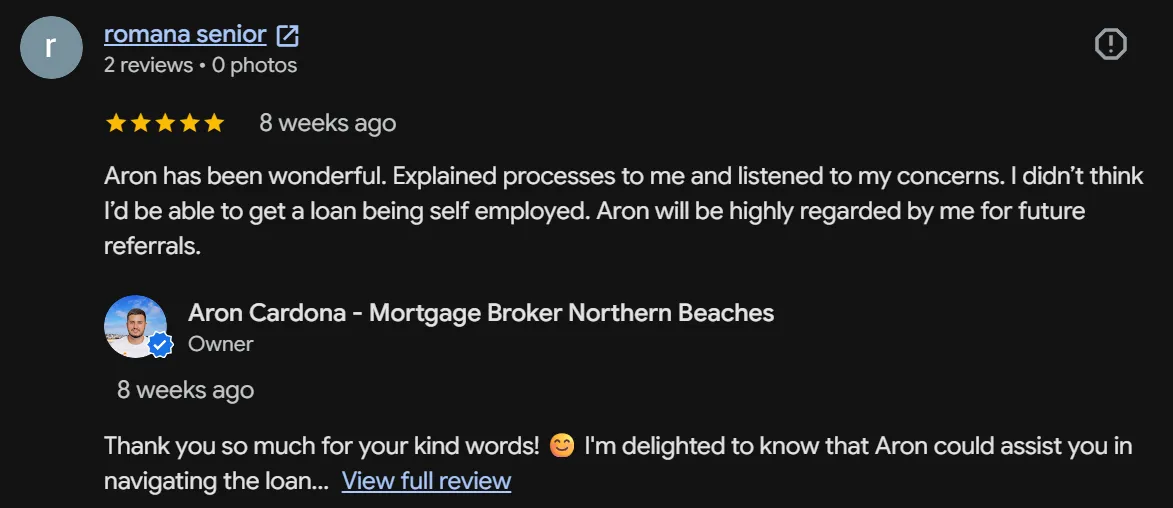
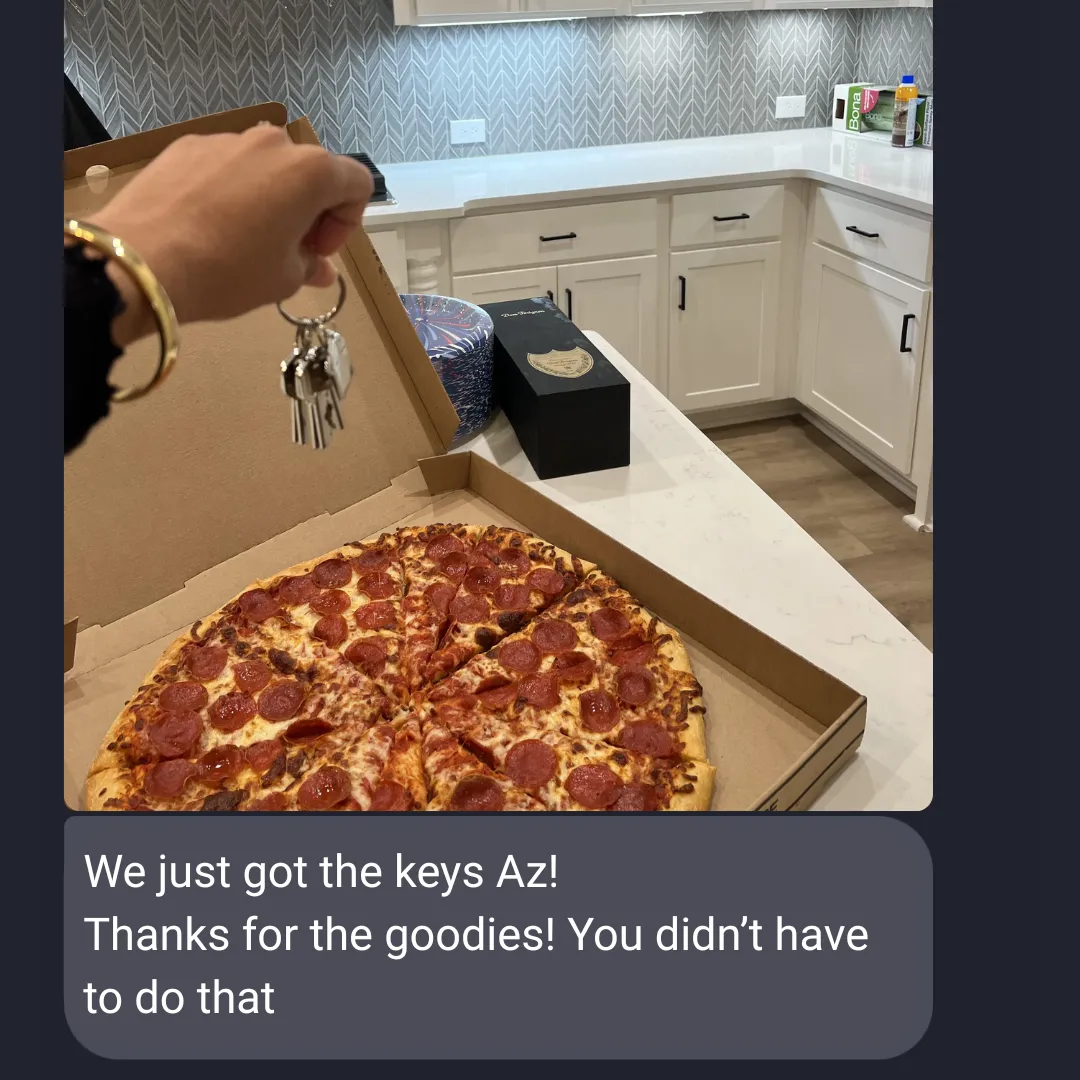
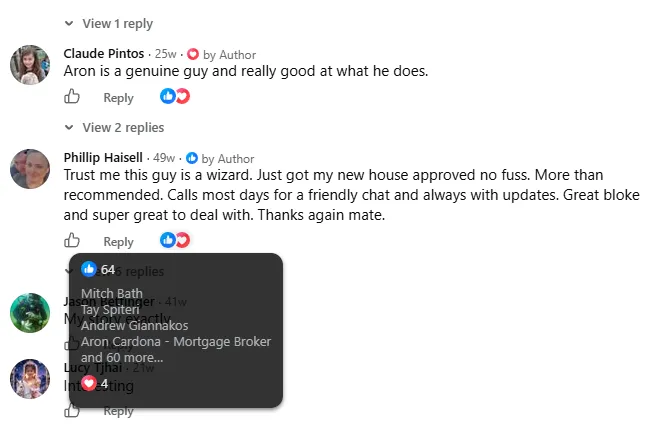
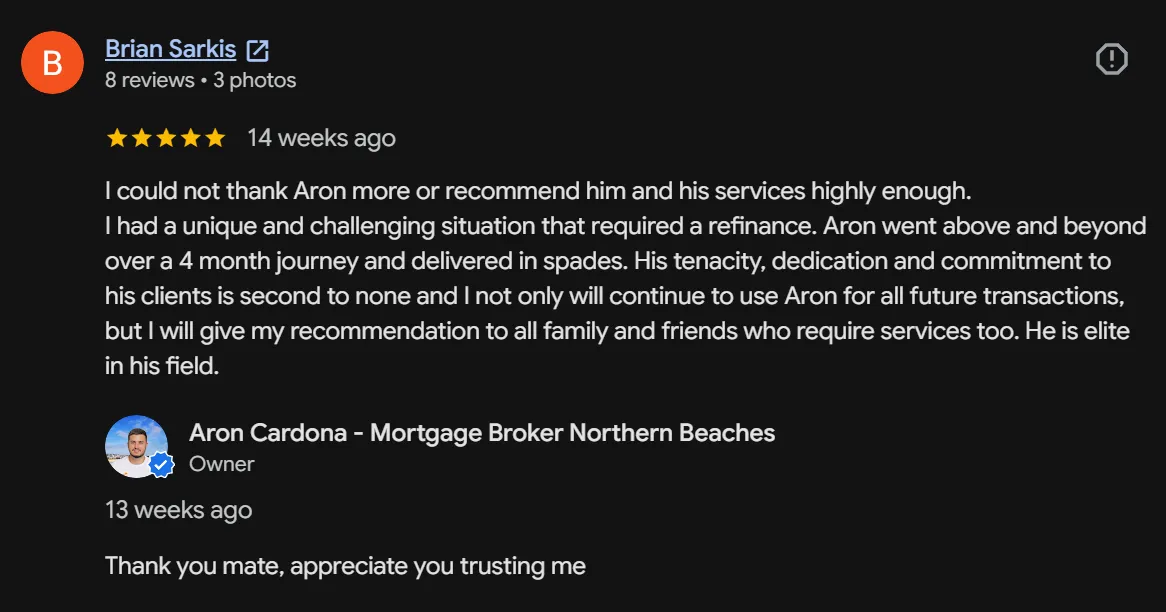
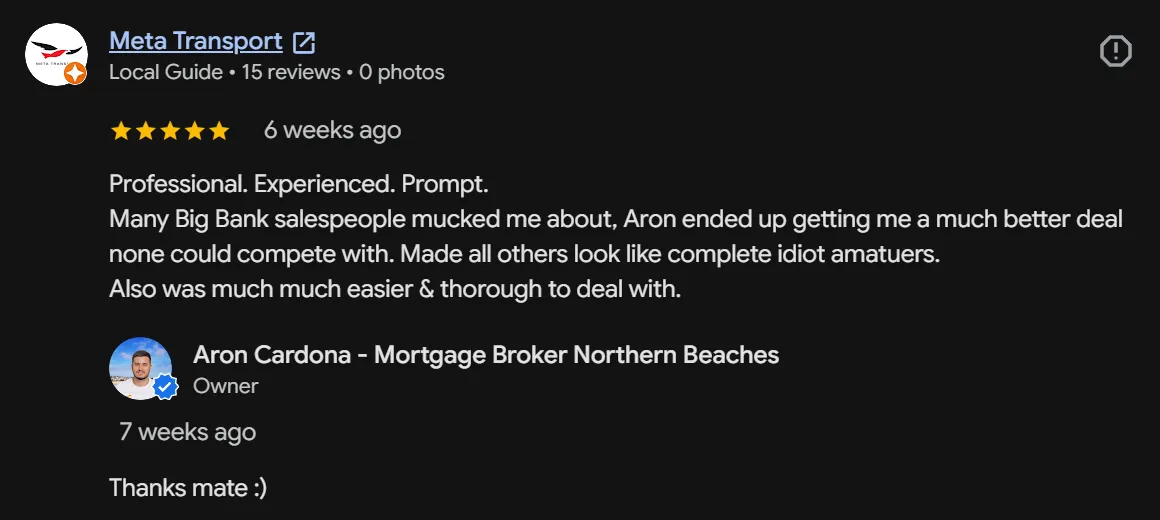
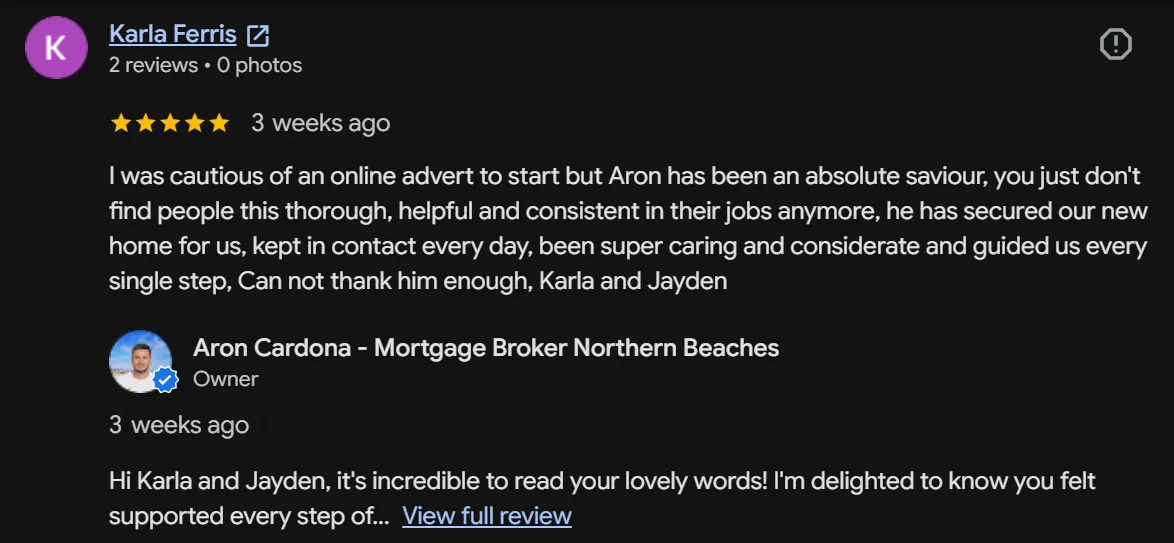
What our mates say



Frequently Asked Questions
So how does this work?
It's a 3 step process: 1. Discovery, 2. Strategy and 3. Implementation
First, we book a discovery call, this is where I get a proper understanding of your goals and make sure we can actually help you.
If we can, you'll be invited into our portal to start collaborating and curating your lending strategy together. We then present that strategy back to you in a follow-up meeting and walk through it in detail.
Once we're all on the same page, we arrange the application and manage the entire process between yourself, lenders, solicitors, real estate agents, valuers from start to finish.
What kind of support do I get afterwards?
Lifelong, if you want it. We review your lending strategy every 6 months to make sure it's still working for you, still cost-effective, or needs adjusting.
Some of our earliest clients go back to 2012 and are still with us today.
Most of our business now comes from repeat clients and referrals, not ads.
Can I even get a home loan if I'm self-employed?
Yes — it's more common than you'd think. Around a 90% of my clients are self-employed. The process looks a bit different to a PAYG applicant, but "self-employed" doesn't mean "harder to approve," it just means a different set of documents.
What if I've already been knocked back by a bank?
Very common, and not the end of the road. A "no" from one lender is often just a mismatch with that lender's specific policy — not a verdict on your finances. Different lenders assess self-employed income differently.
How many years of tax returns do I need?
Most lenders want two years. If you've only got one, don't stop reading — some lenders will still work with a single year, especially if your income has been trending up. We work with lenders that don't need any tax returns as well.
What if my income is inconsistent or my last tax return looked "bad" on paper?
Totally normal for business owners — write-offs, one-off expenses, a slow quarter. Lenders can often "add back" non-cash deductions like depreciation to get a truer picture of what you actually earn. This is exactly the kind of thing a broker who works with self-employed clients every day knows how to present properly.
What's a low-doc loan, and do I need one?
A low-doc loan lets you use BAS statements, bank statements, or an accountant's declaration instead of full tax returns. It's a fallback for people who can't show two clean years of returns — not your only option, and not something you're stuck with forever.
How much can I actually borrow?
Depends on your documentation. With full financials (1–2 years of tax returns), you can often borrow up to 95% of the property value. With low-doc, it's typically 80–90%. I'll give you a real number once I see your situation — no guesswork.
Will applying affect my credit score?
A preliminary chat and borrowing estimate won't touch your credit file. A credit check only happens once you're ready to formally apply OR if you're conscious about it affecting your application. We can check it upfront and instantly.
What documents should I have ready?
Typically: last 1–2 years of tax returns, BAS for the past 12 months, business and personal bank statements (6 months), and ID. I'll give you the exact list for your situation so you're not guessing.
Is a mortgage broker better than going straight to my bank?
A bank can only offer you their own products. I'm accredited with 40+ lenders, including ones that specialise in self-employed borrowers — so instead of one option, you're seeing which of 40 actually wants your business.
What if I'm newly self-employed (under 2 years)?
Still workable in many cases. We look at your ABN registration date, industry experience prior to going out on your own, and any available financials to find lenders who'll consider your situation.
I run my business through a company or trust — does that complicate things?
It changes which documents lenders want (like company tax returns and financials rather than just personal ones), but it doesn't rule you out. We handle sole traders, companies, and trusts regularly.
Can you help me even if my situation is a bit unusual?
That's most of what we do. Variable income, multiple business structures, recent changes in trading — these are the exact scenarios self-employed specialists deal with daily, unlike a generalist bank teller.
What happens if my strategy needs to change down the track?
That's what the 6-monthly reviews are for. Rates move, your business grows, your goals shift — we adjust the strategy with you rather than leaving you on autopilot after settlement.
Compare over 400+ Loans From Over 50+ Lenders
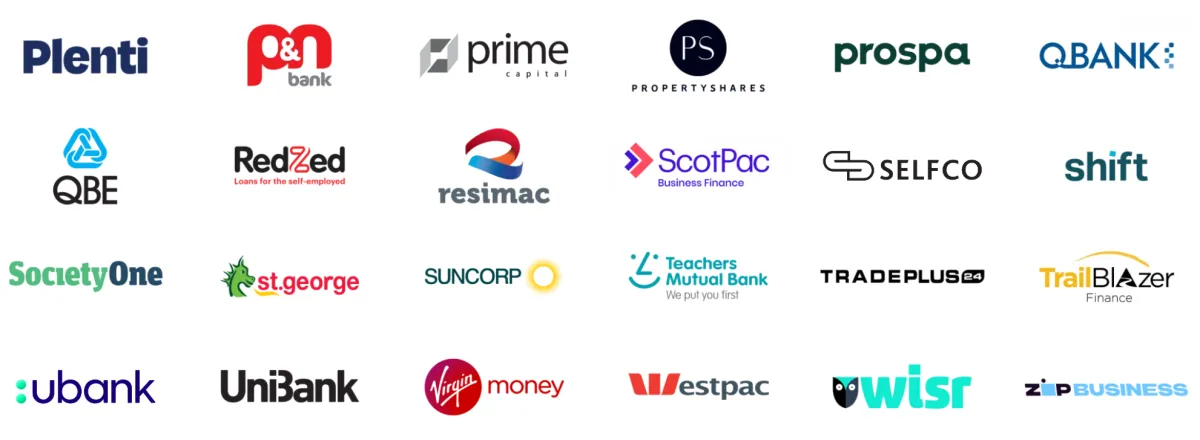
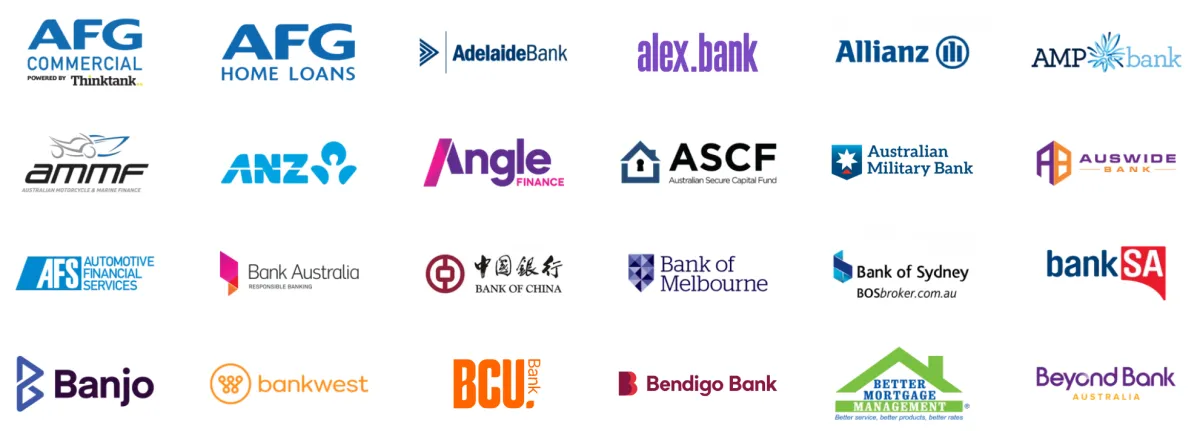
Compare over 400+ Loans From Over 50+ Lenders
FOUNDER & HEAD MORTGAGE ADVISOR
Aron Cardona
I specialise in lending for self employed clients and have helped 100s of business owners navigate the complexities of self-employed home loans.
Most banks don't know how to evaluate self-employed income, leading to unnecessary rejections for great businesses. I change that.
I tailor build lending strategies that maximise your ability to get approved. Not all businesses are built the same, so their finance solutions shouldn't be either.

Hey, I'm Aron!
FOUNDER & HEAD MORTGAGE ADVISOR
I specialise in lending for self employed clients and have helped 100s of business owners navigate the complexities of self-employed home loans.
Most banks don't know how to evaluate self-employed income, leading to unnecessary rejections for great businesses. I change that.
I tailor build lending strategies that maximise your ability to get approved. Not all businesses are built the same, so their finance solutions shouldn't be either.

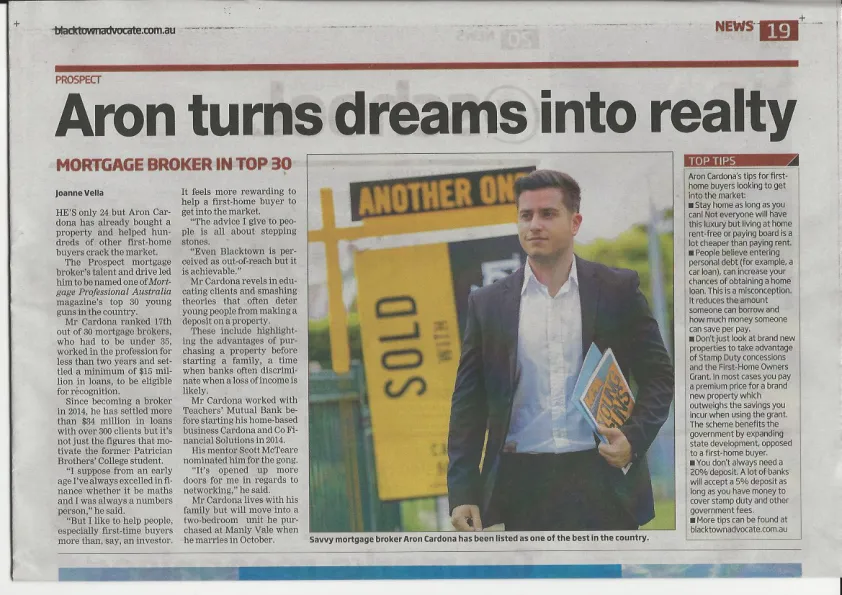
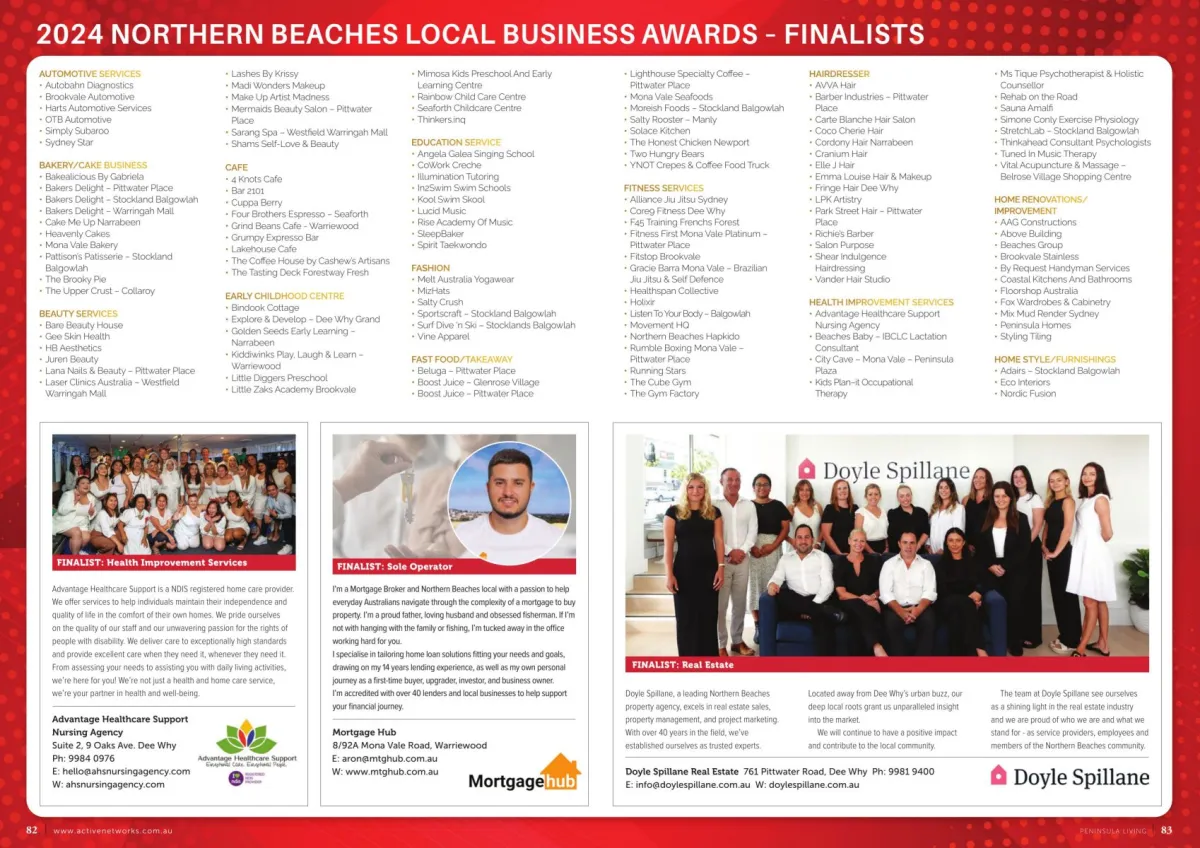
As Featured In

Who we help
BUSINESS OWNERS
Tradies
self employed
tax debts
consolidation
bad tax returns
first home buyers
refinancers
investors

© MortgageHub. Credit Rep of Australian Credit Licence Number 377294. ABN 30 828 685 715